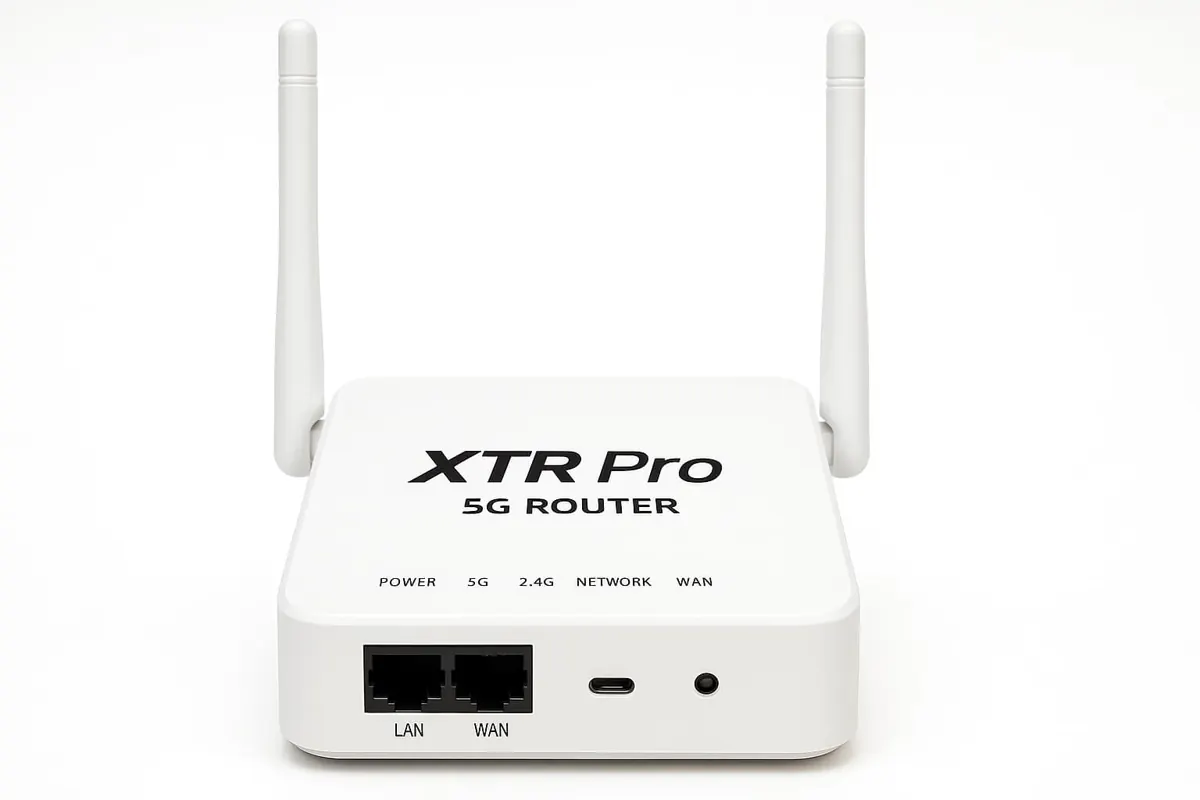
An enterprise-style router can make a small office more resilient, but only if the rules, owners, and recovery paths are clear before deployment.
Count staff, guests, and remote users.
Decide whether failover matters.
Limit access to necessary systems.
Document firewall and guest network policy.
Check firmware/support expectations.
Send alerts to a real owner.
Map users, devices, and critical apps
A small-business router should support the way the office actually works. For this checkpoint, write down the owner, risk, fallback, and test path before shopping for features.
Router planning is strongest when it is specific. Name the point-of-sale system, shared drives, video calls, accounting apps, guest Wi-Fi, printers, and remote users that depend on stable routing. This keeps the buying process grounded in business continuity.
Keep the configuration maintainable. A rule nobody understands may become dangerous during an outage, while a simpler policy with clear notes is easier to audit, update, and hand over.
Plan internet failover before outages
A small-business router should support the way the office actually works. For this checkpoint, write down the owner, risk, fallback, and test path before shopping for features.
Router planning is strongest when it is specific. Name the point-of-sale system, shared drives, video calls, accounting apps, guest Wi-Fi, printers, and remote users that depend on stable routing. This keeps the buying process grounded in business continuity.
Keep the configuration maintainable. A rule nobody understands may become dangerous during an outage, while a simpler policy with clear notes is easier to audit, update, and hand over.
Define remote access without opening everything
A small-business router should support the way the office actually works. For this checkpoint, write down the owner, risk, fallback, and test path before shopping for features.
Router planning is strongest when it is specific. Name the point-of-sale system, shared drives, video calls, accounting apps, guest Wi-Fi, printers, and remote users that depend on stable routing. This keeps the buying process grounded in business continuity.
Keep the configuration maintainable. A rule nobody understands may become dangerous during an outage, while a simpler policy with clear notes is easier to audit, update, and hand over.
Use firewall rules that staff can explain
A small-business router should support the way the office actually works. For this checkpoint, write down the owner, risk, fallback, and test path before shopping for features.
Router planning is strongest when it is specific. Name the point-of-sale system, shared drives, video calls, accounting apps, guest Wi-Fi, printers, and remote users that depend on stable routing. This keeps the buying process grounded in business continuity.
Keep the configuration maintainable. A rule nobody understands may become dangerous during an outage, while a simpler policy with clear notes is easier to audit, update, and hand over.
Separate guest and business traffic
A small-business router should support the way the office actually works. For this checkpoint, write down the owner, risk, fallback, and test path before shopping for features.
Router planning is strongest when it is specific. Name the point-of-sale system, shared drives, video calls, accounting apps, guest Wi-Fi, printers, and remote users that depend on stable routing. This keeps the buying process grounded in business continuity.
Keep the configuration maintainable. A rule nobody understands may become dangerous during an outage, while a simpler policy with clear notes is easier to audit, update, and hand over.
Match the router to access points
A small-business router should support the way the office actually works. For this checkpoint, write down the owner, risk, fallback, and test path before shopping for features.
Router planning is strongest when it is specific. Name the point-of-sale system, shared drives, video calls, accounting apps, guest Wi-Fi, printers, and remote users that depend on stable routing. This keeps the buying process grounded in business continuity.
Keep the configuration maintainable. A rule nobody understands may become dangerous during an outage, while a simpler policy with clear notes is easier to audit, update, and hand over.
Make logs and alerts readable
A small-business router should support the way the office actually works. For this checkpoint, write down the owner, risk, fallback, and test path before shopping for features.
Router planning is strongest when it is specific. Name the point-of-sale system, shared drives, video calls, accounting apps, guest Wi-Fi, printers, and remote users that depend on stable routing. This keeps the buying process grounded in business continuity.
Keep the configuration maintainable. A rule nobody understands may become dangerous during an outage, while a simpler policy with clear notes is easier to audit, update, and hand over.
Check firmware and support lifecycle
A small-business router should support the way the office actually works. For this checkpoint, write down the owner, risk, fallback, and test path before shopping for features.
Router planning is strongest when it is specific. Name the point-of-sale system, shared drives, video calls, accounting apps, guest Wi-Fi, printers, and remote users that depend on stable routing. This keeps the buying process grounded in business continuity.
Keep the configuration maintainable. A rule nobody understands may become dangerous during an outage, while a simpler policy with clear notes is easier to audit, update, and hand over.
Leave capacity for new staff and apps
A small-business router should support the way the office actually works. For this checkpoint, write down the owner, risk, fallback, and test path before shopping for features.
Router planning is strongest when it is specific. Name the point-of-sale system, shared drives, video calls, accounting apps, guest Wi-Fi, printers, and remote users that depend on stable routing. This keeps the buying process grounded in business continuity.
Keep the configuration maintainable. A rule nobody understands may become dangerous during an outage, while a simpler policy with clear notes is easier to audit, update, and hand over.
Compare devices after policy is clear
A small-business router should support the way the office actually works. For this checkpoint, write down the owner, risk, fallback, and test path before shopping for features.
Router planning is strongest when it is specific. Name the point-of-sale system, shared drives, video calls, accounting apps, guest Wi-Fi, printers, and remote users that depend on stable routing. This keeps the buying process grounded in business continuity.
Keep the configuration maintainable. A rule nobody understands may become dangerous during an outage, while a simpler policy with clear notes is easier to audit, update, and hand over.
Related reading
Compare product options in the enterprise router recommendations, then review the previous support page on NAS devices for office backup.
Deep-dive support pages
Focused router planning notes.VPN and Remote Access
Focused router planning notes.Wi-Fi and Access Point Integration
Focused router planning notes.Firewall Rules and Segmentation
Focused router planning notes.Monitoring Logs and Alerts
Focused router planning notes.Growth Capacity and Maintenance
Focused router planning notes.